
Client Onboarding Checklist for Consultants: What Happens Before Kickoff Matters More
A client onboarding checklist for consultants usually gets written after the second or third engagement where the first two weeks went sideways — a signed contract sitting in an inbox for a week, an invoice sent to the wrong billing contact, a kickoff call where the client is still asking questions that should have been answered before the call was scheduled. The checklist isn't about being organized for its own sake. It's about the fact that a messy start sets the tone for the whole engagement, and clients notice.
The gap between "they said yes" and "we're actually working"
Most consultants have a good sales process and a reasonable delivery process, and nothing connecting the two. The proposal gets accepted in an email reply. The contract gets sent as a separate PDF attachment days later. The invoice for the deposit goes out whenever someone remembers to create it. Each of these steps individually takes five minutes, but they happen on different days, in different tools, and the client is left wondering whether anything is actually moving.
That gap is where engagements lose momentum before they've started. A client who said yes with real enthusiasm two weeks ago is a colder client by the time the kickoff call finally happens, and you're now spending part of that call re-selling them on a decision they already made.
What actually needs to happen before kickoff
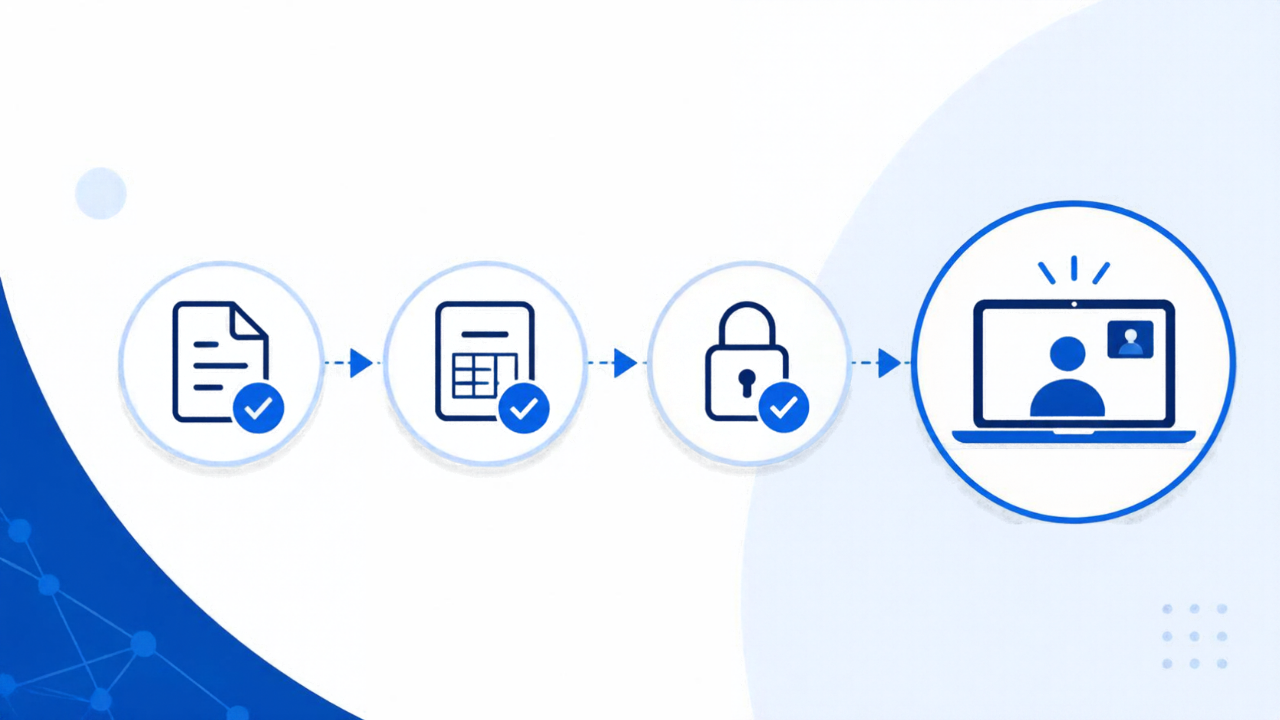
The specific order matters less than the fact that there is one. A contract needs to be sent and signed before any work starts — not "we'll formalize this later," which is how scope disputes happen six weeks in with nothing in writing. A deposit or first invoice needs to go out on acceptance, not after the kickoff call, because payment terms established late get renegotiated informally by clients who assume the timeline is as flexible as everything else has been. And the client needs access to whatever you're going to use to communicate and share files, set up before the kickoff call rather than fumbled through during it.
None of this is impressive work. It's exactly the kind of unglamorous administrative sequencing that's easy to skip when you're excited about the actual consulting work, and exactly the sequencing that makes a client trust you before you've delivered anything.
The "just checking in" emails are a symptom, not the problem
Consultants complain about clients who send "just checking in" or "quick question on timeline" emails constantly, and the usual response is to set better communication boundaries. That helps, but it treats the symptom. Clients check in constantly when they don't have anywhere else to look for status. If the contract, the current invoice, the project timeline, and recent deliverables all live in places the client can see without emailing you, most of those check-in emails stop happening on their own — not because you told the client to stop, but because the question already has an answer they can find themselves.
This is also where onboarding and ongoing client management overlap. The onboarding checklist that gets the contract and payment terms sorted in week one is the same infrastructure that prevents status-anxiety emails in week six, if it's built to persist rather than get used once and abandoned.
Where consultants specifically get this wrong
Consultants tend to underinvest in onboarding because the actual advisory work feels like the valuable part, and the admin around it feels like overhead that doesn't bill. That's true in the narrow sense that a client isn't paying you to send a contract. It's false in the broader sense that a client who had a smooth, professional start is more likely to renew, refer you, and give you the benefit of the doubt the first time a deliverable slips. The onboarding sequence is unpaid work that directly protects paid work later.
The other common mistake is treating every client the same regardless of engagement size. A five-figure retainer and a two-week fixed-scope project don't need the same onboarding weight, but they both need the basic sequence — signed contract before work, invoice on acceptance, access set up before kickoff — even if the retainer gets a longer welcome document and the short project gets three lines in an email.
Building the checklist so it actually gets used
A checklist that lives in a note-taking app gets followed for the first three clients and then quietly abandoned once things get busy. The versions that survive are built into whatever tool the consultant already uses to run the engagement — contract templates that are one click away from a signed proposal, an invoice that generates from the same client record instead of getting typed from scratch, and a client-facing space that exists from day one instead of getting created reactively after the third status email.
FocalVA ties the contract, the first invoice, and the client portal to the same client record from the moment a proposal is accepted, so the onboarding sequence happens by default instead of by memory. If your kickoffs are starting messier than they should, focalva.com/otherservices is built around exactly this handoff.